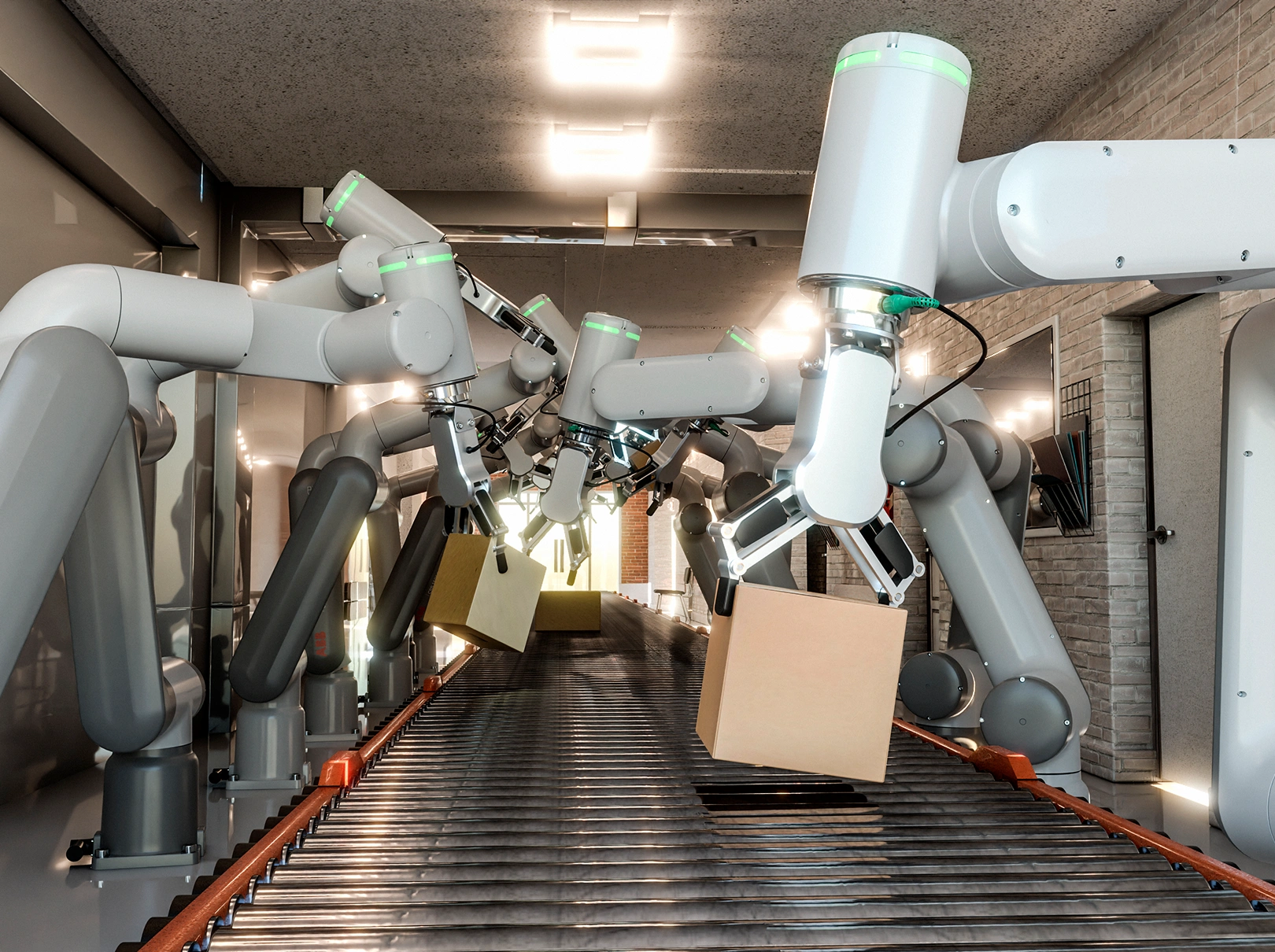
Share with your community


Smart manufacturing is the integration of digital technologies, data analytics, automation, and connected systems across the factory. It creates factories that are self-aware, adaptive, and continuously improving. Unlike traditional automation, smart manufacturing connects machines, software, and operators through real-time data, so decisions are based on live insights instead of historical reports.
Smart manufacturing is the integration of digital technologies, data analytics, automation, and connected systems across the manufacturing value chain. The goal is to create factories that are self-aware, adaptive, and continuously improving.
Smart manufacturing differs from traditional automation in one key way. Machines, software platforms, and human operators are connected through data. This lets decisions happen on real-time insights rather than historical reports.
Definition – Smart manufacturing: A factory operating model where connected machines, AI analytics, and human operators share real-time data to make adaptive, predictive decisions.
According to the World Economic Forum, smart manufacturing can improve factory productivity by up to 30% while reducing downtime and waste.
Traditional manufacturing is static. Production plans are fixed, maintenance is scheduled, and deviations are handled manually. Dynamic manufacturing adapts continuously based on real-world conditions.
Dynamic manufacturing systems perform four adaptive functions:
This shift lets factories respond faster to market changes and supply chain volatility. That speed has become critical in recent years.
According to McKinsey, manufacturers adopting dynamic, data-driven production models can reduce operational costs by 15-20%.
Smart manufacturing adoption is driven by structural challenges facing the industry. These pressures push factories toward intelligent systems.
Manufacturers face six key challenges in 2026:
According to Deloitte, nearly 70% of manufacturers cite workforce shortages and operational inefficiencies as their top constraints heading into 2026.
Smart manufacturing addresses these challenges directly. It improves visibility, automation, and predictive decision-making.
Smart manufacturing is not a single solution. It is an ecosystem of five technologies working together. Each one plays a distinct role.
Industrial IoT uses sensors and connected devices to collect real-time data from machines, tools, and production lines. This data is the foundation of smart manufacturing because it provides operational visibility.
IIoT enables three core functions:
According to IBM, IIoT-driven manufacturing environments can reduce unplanned downtime by up to 50%.
Data alone is not enough. Smart manufacturing relies on analytics and AI to convert raw data into usable insights.
AI systems support four use cases:
According to PwC, AI-driven manufacturing systems can increase productivity by up to 20% while reducing defect rates.
A Manufacturing Execution System (MES) is the operational layer between ERP systems and the factory floor. MES platforms provide real-time control over production processes.
MES platforms deliver four key capabilities:
MES enables dynamic manufacturing by synchronizing plans with actual execution on the floor.
Digital twins create virtual replicas of physical assets and production systems. These models let manufacturers simulate scenarios and predict outcomes before making real-world changes.
Digital twins deliver three benefits:
According to Accenture, digital twin adoption can improve operational efficiency by up to 25% in manufacturing.
Modern robotics is collaborative, flexible, and AI-enabled. These robots work alongside humans rather than replacing them outright.
Intelligent automation supports three outcomes:
According to the International Federation of Robotics, global industrial robot adoption continues to grow as manufacturers pursue automation resilience.
Smart manufacturing shifts factories from reactive to predictive operations. The table below contrasts the two models across five areas.
| Area | Traditional Manufacturing | Smart Manufacturing |
| Decision making | Manual, reactive | Data-driven, predictive |
| Maintenance | Scheduled | Condition-based |
| Production planning | Fixed | Dynamic and adaptive |
| Visibility | Limited | Real-time |
| Scalability | Rigid | Flexible and modular |
A smart manufacturing system runs as a closed loop. Data flows from machines through analytics and back into improved decisions.
The system works in six stages:
This closed loop lets factories learn and improve continuously. It replaces periodic reviews with constant optimization.
Smart manufacturing is no longer optional for competitive factories. It enables faster response to disruptions, better resource use, and improved customer satisfaction.
Manufacturers investing early in intelligent systems gain four advantages:
According to BCG, smart factories outperform traditional ones on productivity, resilience, and long-term profitability.
Smart manufacturing connects machines, software, and people through real-time data. This lets a factory make adaptive, predictive decisions instead of relying on fixed plans and manual checks.
Traditional automation runs fixed tasks in isolation. Smart manufacturing connects systems through data, so machines, software, and operators share insights and adapt to real conditions.
The five core technologies are Industrial IoT, AI and advanced analytics, Manufacturing Execution Systems (MES), digital twins, and intelligent robotics. They work together as one connected ecosystem.
ERP manages business-wide planning like finance and procurement. MES sits below ERP and controls real-time production on the factory floor, synchronizing plans with actual execution.
Industrial IoT sensors monitor equipment continuously, and AI predicts failures before they happen. This enables condition-based maintenance instead of waiting for breakdowns.
No. Modular and cloud-based tools let small and mid-size manufacturers adopt smart manufacturing incrementally, starting with one process or production line.
Common barriers include legacy equipment, skilled labor shortages, data integration complexity, and upfront investment. A phased rollout helps manage cost and disruption.
Smart manufacturing is a fundamental shift in how factories operate. By combining connected systems, real-time data, and intelligent automation, manufacturers move from reactive operations to proactive, adaptive production.
The manufacturing challenges of 2026 continue to evolve. Factories that embrace dynamic manufacturing and invest in the right technologies are positioned to lead, not just survive. Smart manufacturing is not only about efficiency—it is about building factories that can think, respond, and grow.
Written by

Synkrone8 is a group of manufacturing IT specialists, ERP consultants, and smart-factory engineers who turn shop-floor challenges into connected, data-driven operations. They write about Industry 4.0, ERP, IIoT, and digital transformation drawn from real implementation experience.
Discover more insights, trends, and stories from our experts.
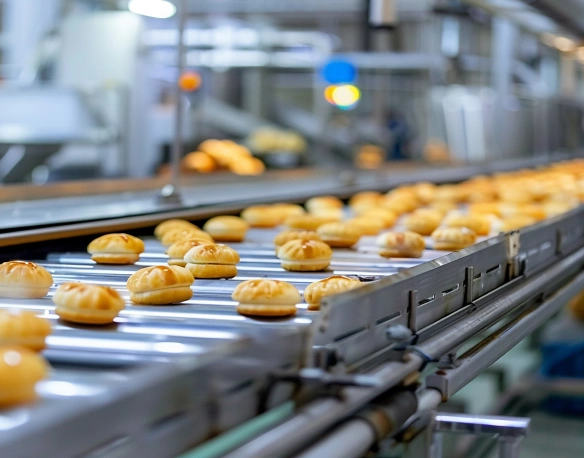
ERP
FMCG
In most industries, a production plan that's a little off costs you some efficiency. In...
8 Min Read
05, Oct 2026
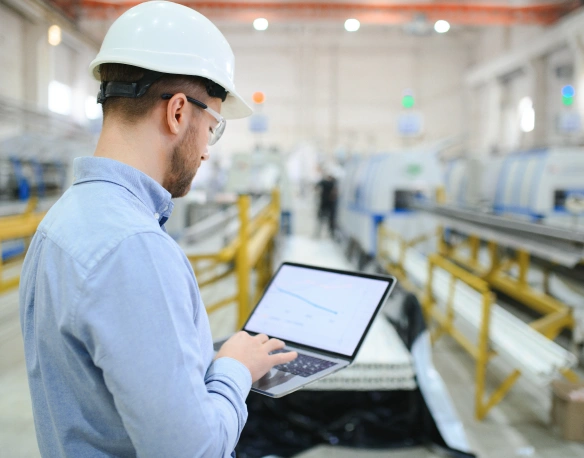
Zoho
Zoho CRM vs Microsoft Dynamics 365: The Short Answer Zoho CRM is the better fit...
6 Min Read
15, Sep 2026

Zoho
"Zoho vs Salesforce" isn't a fair fight if you compare them like two versions of...
7 Min Read
25, Aug 2026
Book a free 30-minute discovery call with one of our manufacturing consultants. No pitch. No pressure. Just an honest conversation about what's possible for your operation.


